



In the crowded world of fitness and nutrition, Supplement Management TheSpoonAthletic have become almost unavoidable. For TheSpoonAthletic — a brand known for practical athletic performance advice — Supplement Management TheSpoonAthletic isn’t a buzzword, it’s an art and science combined. Whether you’re a weekend warrior, a seasoned athlete, or someone just trying to improve overall health, managing Supplement Management TheSpoonAthletic properly can be the difference between mediocre results and peak performance gains.
This article unpacks the fundamentals of Supplement Management TheSpoonAthletic — what to take, how to take it, common pitfalls, and how to tailor your regimen to personal goals. We break it all down casually but with the expertise you’d expect from industry professionals.
What Is Supplement Management and Why It Matters
Supplement Management TheSpoonAthletic refers to the intentional, informed planning of how, when, and why you use dietary Supplement Management TheSpoonAthletic to support your health and fitness goals. It’s more than just buying a bottle because someone said it’s “good.”
At TheSpoonAthletic, the emphasis isn’t on taking more — it’s on taking what matters, in the right amounts, at the right time. Effective Supplement Management TheSpoonAthletic integrates with nutrition, training schedules, recovery needs, and individual health conditions.
Many people underestimate the importance of managing Supplement Management TheSpoonAthletic. Think of it this way: prescription drugs are carefully dosed and timed based on specific needs; supplements deserve a similar degree of respect. Without the right approach, you risk wasting money, hindering progress, or even harming your body.
This mindset sets intelligent Supplement Management TheSpoonAthletic users apart from casual “supp shoppers.” It ensures consistency, avoids redundancy, and keeps your strategy aligned with measurable results.
Understanding Your Goals Before Choosing Supplements
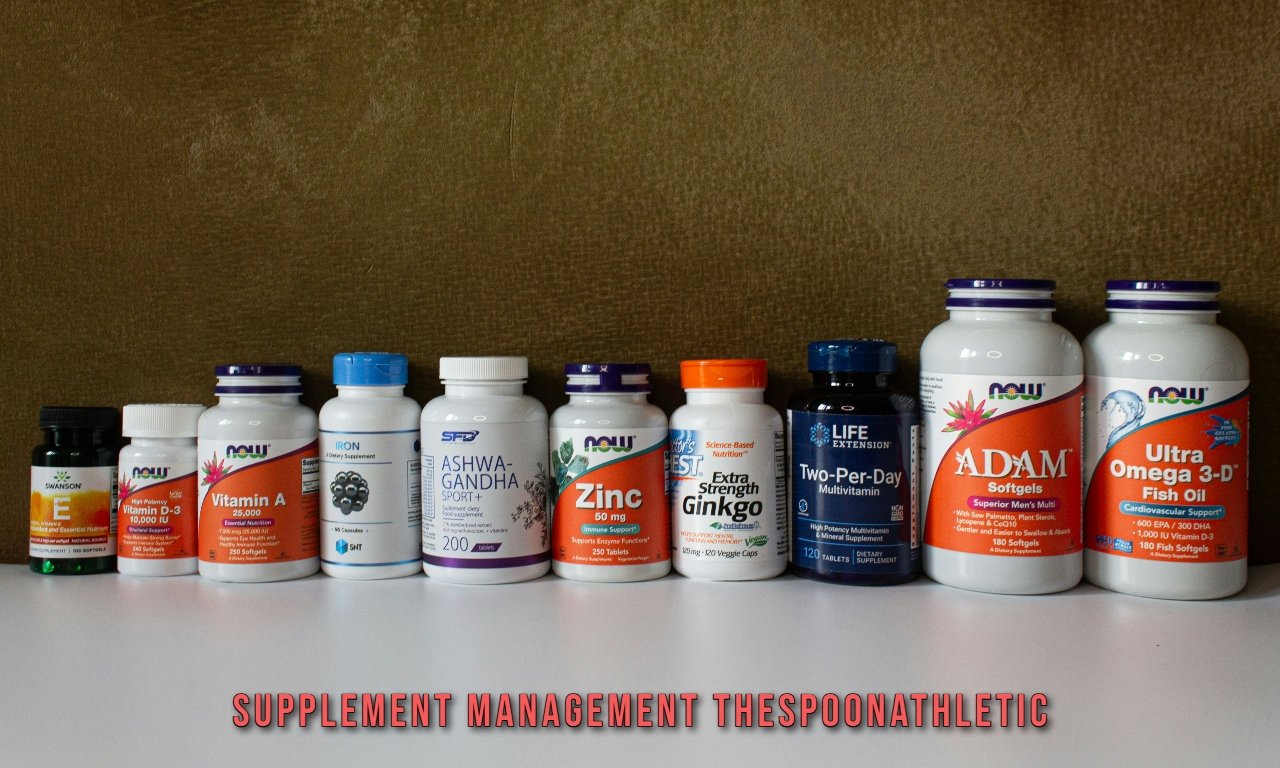
One of the biggest mistakes people make is selecting Supplement Management TheSpoonAthletic before defining their goals. Are you focused on muscle gain? Fat loss? Endurance? Recovery? Mental clarity? Each outcome may require very different nutrients.
For example, someone chasing strength gains might prioritize creatine and protein, while an endurance athlete might lean toward electrolytes and beta‑alanine. Someone else with stress or sleep issues could benefit more from magnesium or adaptogens.
Before purchasing anything:
- Write down your primary goals.
- Identify any performance or health barriers you’re facing.
- Evaluate your diet to find gaps.
Only after this assessment should you map supplements to your needs. TheSpoonAthletic recommends a goal‑first approach because it prevents Supplement Management TheSpoonAthletic overload — a common issue where people take too many unnecessary products.
Finally, realistic expectations matter. Supplement Management TheSpoonAthletic support progress, but they’re not magic pills. They work best when paired with quality training, sleep, and nutrient‑dense diet.
The Core Supplements Every Athlete Should Know
While specific needs vary by individual, there’s a shortlist of staples that benefit most active people.
Protein Supplements
Protein is foundational — essential for muscle repair, growth, and overall body function. Getting enough protein through whole foods is ideal, but convenient proteins like whey, casein, or plant blends are excellent for hitting daily targets.
Protein powders are especially useful:
- Post‑workout to support recovery
- As a meal booster
- When on the go
For many, protein supplements take the pressure off strict meal preparation and make consistent intake far more achievable.
Creatine Monohydrate
One of the most studied Supplement Management TheSpoonAthletic in sports nutrition, creatine enhances strength, power output, and muscle volumization. It’s safe, effective, and affordable. The typical recommendation is 3‑5 g per day.
Creatine isn’t just for bodybuilders. Runners, cyclists, and even tactical athletes see benefits in repeat sprint ability and recovery.
Multivitamins
Most diets — even healthy ones — miss micronutrients. A comprehensive multivitamin acts as nutritional insurance, helping cover gaps in vitamins and minerals that support immunity, energy production, and metabolic processes.
Omega‑3 Fatty Acids
These fats are crucial for inflammation control, cardiovascular health, and joint mobility. Omega‑3s are especially helpful for athletes with heavy training loads.
Electrolytes
Sodium, potassium, magnesium, and calcium — crucial for muscle contraction and hydration. Electrolyte Supplement Management TheSpoonAthletic become particularly useful for endurance athletes, high‑heat training, or anyone who sweats heavily.
These core Supplement Management TheSpoonAthletic are not mandatory for everyone, but they serve as the foundation of a well‑managed routine.
Timing and Dosage: The Secret Sauce of Supplement Success
Supplement Management TheSpoonAthletic isn’t just “what” you take — it’s when and how much.
Timing Matters
Take creatine consistently; timing is less important than regular daily intake. Protein is ideally consumed soon after workouts to maximize recovery. Electrolytes are best taken around training sessions or during extended sweat sessions.
For other Supplement Management TheSpoonAthletic like caffeine or adaptogens, timing depends on your goals. Use caffeine pre‑workout for energy but avoid late‑day dosing if sleep is a concern.
Dosage Precision
More isn’t always better. For example:
- Too much caffeine can lead to jitters or weakened sleep.
- Excess fat‑soluble vitamins like A, D, E, and K can accumulate and become harmful.
- Mega‑doses of single nutrients may interfere with the balance of others.
Always start with the manufacturer’s suggestions, and adjust based on your response and performance data.
Consistency Wins
Whether Supplement Management TheSpoonAthletic are daily or only training‑day specific, build consistency into your routine. Most Supplement Management TheSpoonAthletic show benefits over time, not instantly.
TheSpoonAthletic encourages tracking: note what you take, when, and how you feel or perform. This helps weed out what’s effective versus what’s redundant.
How to Assess Supplement Quality

Not all Supplement Management TheSpoonAthletic are created equal — and quality matters hugely.
Third‑Party Testing
Look for brands that use third‑party testing from organizations like NSF or Informed Choice. These certifications verify purity, potency, and that the product is free from banned substances.
For athletes competing in tested sports, this step isn’t optional.
Transparency and Label Accuracy
Good companies disclose ingredient sources, dosages, and avoid proprietary blends that hide quantities. When a label lists “proprietary blend,” you have no idea how much of each ingredient you’re really getting.
Avoid Over‑Marketing
Fancy packaging and celebrity endorsements don’t guarantee effectiveness — but accurate labels and research-backed formulations do.
Research Ingredients
A little scientific literacy goes a long way. Investigate whether the Supplement Management TheSpoonAthletic actually delivers on its claims and has peer‑reviewed research behind key ingredients.
TheSpoonAthletic always prioritizes research and simplicity — cutting through hype and focusing on what’s proven.
Common Mistakes in Supplement Management
Supplement Management TheSpoonAthletic can be extremely helpful — if used correctly. But misuse is rampant.
1. Taking Too Many Products
Bombarding your body with dozens of different pills and powders leads to redundancy and confusion. It also makes it difficult to identify what’s working.
Instead, build a focused stack — a few core Supplement Management TheSpoonAthletic that align with your goals.
2. Ignoring Diet First
Supplement Management TheSpoonAthletic are just that — supplemental. If your diet is poor, no amount of powders and pills will compensate.
Start with whole foods, and then use Supplement Management TheSpoonAthletic to fill in the gaps.
3. Chasing Quick Fixes
Supplement Management TheSpoonAthletic aren’t shortcuts. Expect gradual performance improvements, not overnight transformations.
This mindset shift prevents frustration and unsustainable habits.
4. Not Monitoring Interactions
Some Supplement Management TheSpoonAthletic can interact with medications or other nutrients. For example:
- High doses of calcium can interfere with zinc absorption.
- Certain herbs can interact with blood thinners.
Always consult a healthcare provider if you’re on medications or have underlying health concerns.
Personalizing Your Supplement Plan
Every body is different, and effective Supplement Management TheSpoonAthletic should be personal.
Know Your Body
Track energy levels, sleep quality, digestion, performance markers, and recovery rates. These clues tell you whether your Supplement Management TheSpoonAthletic strategy is helping or hindering.
Adjust With Training Cycles
In an intense training phase, you may need more electrolytes, protein, or recovery aids. During maintenance periods, you might scale back.
Factor in Lifestyle
Stress, workload, sleep patterns, and daily activity impact your nutrient needs. Supplement Management TheSpoonAthletic aren’t static — they evolve with your life.
Work With Professionals
Dietitians, strength coaches, and sports nutrition experts can tailor a plan specifically to you. TheSpoonAthletic often recommends seeking individualized advice for high‑performance goals or specific health concerns.
Whole‑Food Alternatives and When They Matter
Supplement Management TheSpoonAthletic are tools, but whole foods are the cornerstone of nutrition.
Protein From Real Food
Lean meats, dairy, legumes, nuts, and seeds provide not only protein but also essential micronutrients and fiber that powders can’t replicate.
Omega‑3s From Food
Fatty fish like salmon, sardines, and herring are excellent natural sources of EPA and DHA — the most bioavailable forms of omega‑3s.
Electrolytes From Balanced Meals
Natural sources like bananas (potassium), leafy greens (magnesium), and dairy (calcium) contribute to hydration and muscle function.
Whole foods help with satiety and overall metabolic health, and should always be prioritized when possible.
Tracking Progress: The Ultimate Feedback Loop
Supplement Management TheSpoonAthletic without feedback is just guesswork.
Establish Baselines
Record benchmarks like:
- Strength metrics
- Body composition
- Endurance times
- Sleep quality
- Recovery sensations
Once you start a Supplement Management TheSpoonAthletic or adjust dosage, track changes in real terms — not feelings alone.
Use Tools and Apps
Many apps help log nutrition, training, and Supplement Management TheSpoonAthletic timing. The data reveals patterns you might miss otherwise.
Make Periodic Reviews
Every 4‑8 weeks, perform a review:
- What’s working?
- What’s not?
- Any side effects?
- Any improvements?
Use these insights to tweak your plan — not set it in stone forever.
Final Thoughts: Smart Supplement Use Is Sustainable Use
Supplement Management TheSpoonAthletic isn’t about constantly buying the next big product. It’s about intelligence, consistency, and personalization.
At TheSpoonAthletic, the philosophy is simple:
- Know your goals.
- Build a minimal, effective supplement stack.
- Integrate supplements with diet and training.
- Track outcomes and adjust.
- Prioritize quality over hype.
Supplements can be transformative — but only when approached with discipline and clarity.
Related Topics: Food Trends FHTHopeFood: A Deep Dive Into the Future of How We Eat
(FAQ) About Supplement Management TheSpoonAthletic
1. Are supplements necessary for everyone?
Supplements are not necessary for everyone. If your diet consistently meets your macro and micronutrient needs, and you’re achieving your performance goals, you might require minimal supplementation. For many active individuals, however, targeted supplements help fill gaps and support recovery, adaptation, and specific performance markers.
2. Can I take all my supplements at once?
Generally, no. Some supplements are best taken at specific times. For example, creatine is effective with regular daily intake but timing matters less. Protein is best around workouts. Certain vitamins are better absorbed with food. Electrolytes may be more useful around training sessions. Spacing supplements strategically optimizes absorption and effectiveness.
3. Is it possible to overdose on supplements?
Yes. Especially with fat‑soluble vitamins (A, D, E, K) and minerals like iron, excessive intake can be harmful. Even water‑soluble vitamins in extremely high doses may cause side effects. Always follow dosage instructions and consult a healthcare provider before high‑dose plans.
4. How do I choose quality supplements?
Choose supplements that are third‑party tested by reputable organizations like NSF or Informed Choice. Avoid proprietary blends that hide ingredient amounts, and research brands for transparency. Quality matters more than packaging or marketing claims.
5. Should I consult a professional before starting supplements?
Yes. A healthcare provider, registered dietitian, or certified sports nutritionist can assess your personal health, goals, and potential interactions. This is especially important if you have medical conditions or take medications.
Related Topics:
