


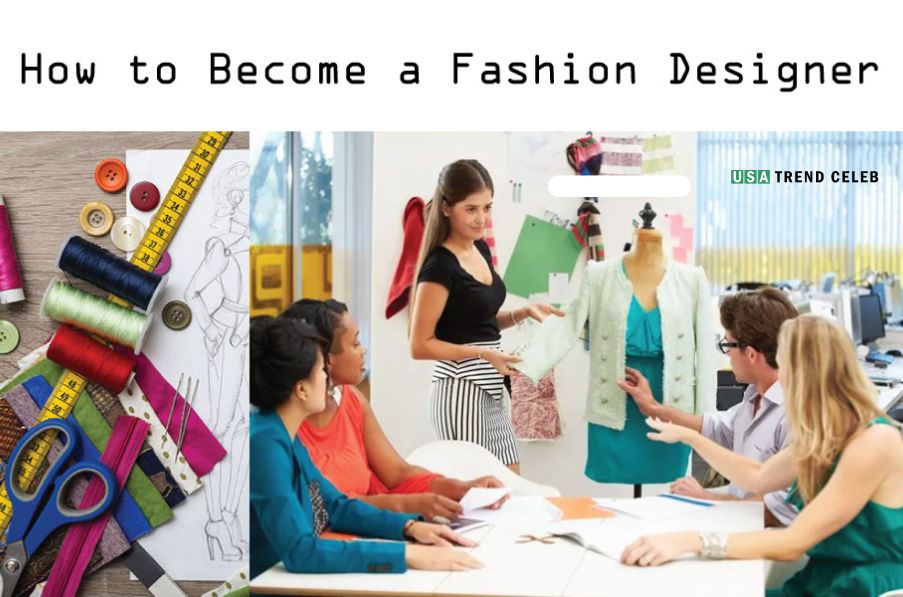
How to Become a Fashion Designer is a dream shared by many people who love creativity, style, and self-expression. Fashion is more than just clothes—it’s storytelling, culture, business, and innovation wrapped into one industry. If you’ve ever looked at a runway show, a magazine spread, or even street style and thought, “I want to create something like this,” then fashion design might be the path for you.
However, the journey How to Become a Fashion Designer isn’t as glamorous as it often appears from the outside. Behind every successful designer is years of learning, experimenting, failing, and improving. Fashion is competitive, fast-moving, and demanding, but for those who are passionate and persistent, it can be incredibly rewarding.
This guide breaks down how to become a fashion designer in a clear, practical, and realistic way. Whether you’re a student, a self-learner, or someone thinking of switching careers, this article will walk you through every important step.
Understanding What a Fashion Designer Really Does
Many people imagine that How to Become a Fashion Designer spend all day sketching beautiful outfits and attending glamorous events. While creativity is a big part of the job, the reality is much more complex. A How to Become a Fashion Designer is involved in everything from concept development to fabric selection, pattern making, production planning, and even marketing.
Designers must understand trends, customer preferences, and market demands. They research colors, materials, silhouettes, and cultural influences long before a collection is created. This research phase is just as important as the actual designing because fashion is deeply connected to timing and audience expectations.
Beyond creativity, How to Become a Fashion Designer also work closely with tailors, manufacturers, merchandisers, and buyers. Communication, organization, and problem-solving skills are essential. In many cases, How to Become a Fashion Designer also manage budgets, deadlines, and brand identity, making fashion design both an artistic and business-oriented career.
Developing a Strong Interest and Passion for Fashion

Passion is the foundation of any successful fashion career. How to Become a Fashion Designer requires long hours, constant learning, and resilience in the face of criticism. Without genuine interest, it’s easy to lose motivation when challenges arise.
Start by immersing yourself in the fashion world. Follow How to Become a Fashion Designer , brands, and fashion houses that inspire you. Study runway shows, fashion weeks, magazines, and street style from different cultures. Understanding global fashion perspectives helps you develop a broader creative vision.
At the same time, observe real-world fashion. Pay attention to what people wear daily, how trends evolve, and why certain styles become popular. Fashion is not only about high-end couture; it’s also about wearable designs that connect with people’s lifestyles and emotions.
Learning the Basics of Fashion Design
Before creating collections, it’s essential to master the fundamentals of fashion design. These basics form the backbone of your skills and allow you to bring ideas to life professionally. Core areas include sketching, color theory, fabric knowledge, garment construction, and pattern making.
Sketching is a vital skill, but it doesn’t require you to be a fine artist. Fashion sketches are more about communicating ideas clearly than creating perfect artwork. Over time, consistent practice improves confidence and style. Digital tools like fashion illustration software can also enhance your workflow.
Understanding fabrics is equally important. Different materials behave differently when worn, stitched, or washed. Knowing how cotton, silk, denim, wool, and synthetic fabrics perform will influence your design decisions and improve the quality of your garments.
Getting Formal Education or Training in Fashion Design
While it’s possible How to Become a Fashion Designer without formal education, professional training can accelerate your growth significantly. Fashion schools provide structured learning, industry exposure, and access to mentors who understand the field deeply.
Fashion design programs teach technical skills such as draping, sewing, pattern drafting, and textile studies. They also introduce students to fashion history, trend forecasting, and fashion marketing. These elements help How to Become a Fashion Designer create collections that are both creative and commercially viable.
Additionally, fashion institutes often offer internship opportunities and fashion shows where students can showcase their work. These experiences help build confidence and create valuable industry connections, which are crucial for long-term success.
Practicing Sewing and Garment Construction Skills
Design ideas are only as strong as the ability to execute them. Sewing and garment construction skills allow How to Become a Fashion Designer to turn sketches into real, wearable pieces. Even if you plan to work with manufacturers later, understanding construction is essential.
Learning how garments are assembled helps How to Become a Fashion Designer create practical designs. It also improves communication with tailors and production teams. When How to Become a Fashion Designer understand stitching techniques, seam finishes, and fitting adjustments, they can maintain better control over the final product.
Practice is key. Start with simple garments like skirts or basic tops, then move on to more complex pieces such as jackets and dresses. Mistakes are part of the learning process, and each failed attempt teaches valuable lessons about fit, fabric, and structure.
Building a Unique Personal Style and Design Identity
In a competitive industry like fashion, originality matters. Developing a unique design identity helps you stand out and makes your work recognizable. This doesn’t happen overnight—it evolves naturally through experimentation and self-discovery.
Explore different styles, themes, and inspirations. Some How to Become a Fashion Designer focus on minimalism, while others embrace bold prints, traditional craftsmanship, or avant-garde silhouettes. Over time, you’ll notice patterns in your preferences, which will shape your signature style.
Your personal style should reflect both creativity and authenticity. Instead of copying trends, interpret them through your own perspective. How to Become a Fashion Designer who stay true to their vision often build stronger, more loyal audiences in the long run.
Creating a Professional Fashion Design Portfolio
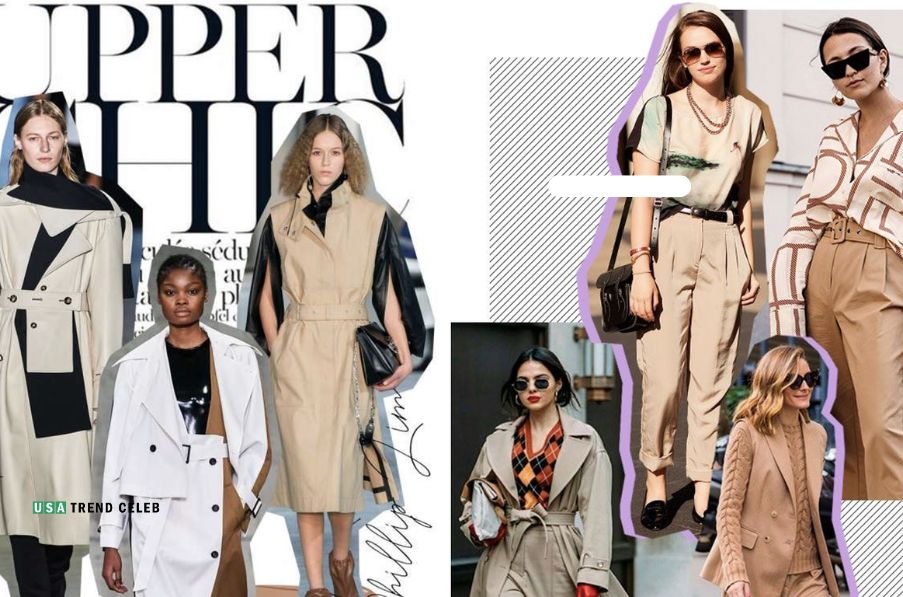
A strong portfolio is one of the most important tools for an aspiring How to Become a Fashion Designer. It showcases your skills, creativity, and design process to potential employers, clients, or investors. Your portfolio should tell a clear story about who you are as a How to Become a Fashion Designer.
Include sketches, mood boards, fabric swatches, and photographs of completed garments. Show how ideas evolved from concept to final product. Quality matters more than quantity, so select only your best and most relevant work.
A digital portfolio is highly recommended, as it allows easy sharing online. Platforms like personal websites or professional social media accounts can help display your work to a global audience and attract opportunities.
Gaining Experience Through Internships and Apprenticeships
Hands-on experience is invaluable in fashion design. Internships and apprenticeships provide real-world exposure to how the industry operates. They help bridge the gap between education and professional work.
Working under experienced How to Become a Fashion Designer allows you to learn about production timelines, client expectations, and teamwork. You’ll also gain insight into how collections are planned, marketed, and sold. These experiences build confidence and practical knowledge.
Even unpaid internships can be beneficial early in your career. The connections you make and the skills you gain often lead to future job opportunities or collaborations within the fashion industry.
Understanding the Business Side of Fashion
Fashion design is not just about creativity—it’s also a business. How to Become a Fashion Designermust understand pricing, branding, production costs, and market positioning to succeed financially. Without business knowledge, even talented How to Become a Fashion Designer may struggle.
Learning basic fashion marketing helps How to Become a Fashion Designer promote their work effectively. Branding, social media presence, and storytelling play major roles in attracting customers. A strong brand identity helps differentiate your designs from competitors.
Additionally, understanding supply chains and manufacturing processes ensures smoother production. How to Become a Fashion Designer who understand costs and logistics can make smarter decisions and maintain profitability over time.
Staying Updated With Fashion Trends and Technology
Fashion is constantly evolving, and staying updated is essential. Trends change with seasons, cultural shifts, and technological advancements. Successful How to Become a Fashion Designer balance trend awareness with timeless creativity.
Follow fashion weeks, industry reports, and trend forecasting platforms. However, don’t rely solely on trends—use them as inspiration rather than rules. How to Become a Fashion Designer who blindly follow trends often lose originality.
Technology is also shaping fashion. Digital design tools, 3D modeling, and sustainable materials are becoming more common. Embracing innovation can improve efficiency and open new creative possibilities.
Starting Your Career as a Fashion Designer
There are many paths to launching a fashion career. Some How to Become a Fashion Designer work for established brands, while others start their own labels. Freelancing, styling, costume design, and fashion consultancy are also viable options.
Starting small is perfectly fine. Many successful How to Become a Fashion Designer began with limited resources and gradually expanded their reach. Focus on quality, consistency, and building relationships within the industry.
Patience is crucial. Fashion careers take time to grow, and setbacks are inevitable. Staying committed, adaptable, and passionate increases your chances of long-term success.
Final Thoughts
Learning how to become a fashion designer is a journey that blends creativity, discipline, and resilience. There is no single formula for success, but consistent learning, practice, and self-belief go a long way. Fashion rewards those who are willing to grow, adapt, and stay true to their vision.
If fashion truly excites you, start where you are and keep moving forward. Every sketch, stitch, and idea brings you one step closer to becoming the How to Become a Fashion Designer you aspire to be.
Related Topics: Philip Froissant: Biography, Career, Net Worth & Latest Projects
(FAQs) About How to Become a Fashion Designer
1. Do I need a degree to become a fashion designer?
A degree is not mandatory, but it can be extremely helpful. Formal education provides technical skills, industry exposure, and networking opportunities that are harder to gain independently.
2. How long does it take to become a fashion designer?
The timeline varies. With education and consistent practice, it can take anywhere from 3 to 7 years to establish yourself in the industry, depending on your goals and dedication.
3. Can I become a fashion designer with no money?
Yes, it’s possible. Many designers start by learning online, practicing at home, and using affordable materials. Creativity and persistence matter more than expensive resources.
4. What skills are most important for fashion designers?
Key skills include creativity, sewing, fabric knowledge, sketching, communication, and business understanding. Time management and adaptability are also essential.
5. Is fashion design a good career choice?
Fashion design can be highly rewarding for passionate individuals. While it is competitive and demanding, it offers creative freedom, global opportunities, and personal fulfillment.
Related Topics:
