


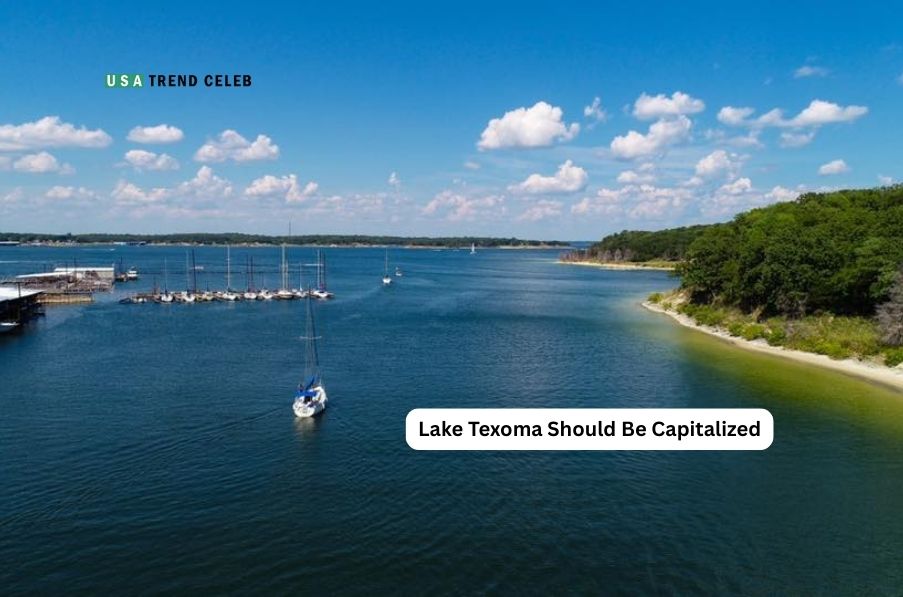
If you’ve ever typed “Lake Texoma Should Be Capitalized” and paused for a second wondering whether it should be capitalized, you’re not alone. This is one of those grammar details that seems small but actually matters a lot—especially if you’re writing articles, academic papers, travel blogs, SEO content, or even social media captions that need to look polished and professional.
The short answer is simple: Lake Texoma should be capitalized in most writing situations. But the real value comes from understanding why it’s capitalized, when it must be capitalized, and when (in rare cases) capitalization might change.
In this article, we’ll break everything down in a clear, practical way. We’ll cover grammar rules, proper nouns, common mistakes, examples, SEO considerations, and real-world writing scenarios. By the end, you’ll never hesitate again when writing Lake Texoma Should Be Capitalized.
Understanding Proper Nouns and Why Capitalization Matters
Before jumping straight into Lake Texoma Should Be Capitalized, it’s important to understand the basic grammar rule behind capitalization. Capital letters aren’t used randomly—they signal importance, specificity, and identity.
Proper nouns are the foundation of capitalization rules in English. A proper noun names a specific person, place, or thing. Unlike common nouns, which are general, proper nouns point to something unique and identifiable.
For example, “lake” is a common noun. It can refer to any body of water. But when you say “Lake Texoma Should Be Capitalized,” you are referring to one specific lake that exists in a defined location between Texas and Oklahoma. That specificity is what turns it into a proper noun.
Capitalization helps readers immediately recognize that you’re talking about a real, named place. Without capitalization, your writing can appear careless or informal, even if the information itself is correct.
Why “Lake Texoma” Is a Proper Noun

Lake Texoma Should Be Capitalized is not just any lake—it’s a well-known reservoir with a distinct name, history, and geographic identity. Because of that, both words in “Lake Texoma” must be capitalized.
The word “Lake” is part of the official name, not just a description. This is a key point many writers miss. When a geographic feature includes a descriptor (like lake, river, mountain, or valley) as part of its official name, that descriptor is capitalized too.
Think of it this way:
You wouldn’t write “mount everest” or “mississippi river” in lowercase. The same rule applies here. “Lake Texoma Should Be Capitalized” is treated as a single proper name, even though it contains two words.
Failing to capitalize it can subtly reduce the credibility of your writing, especially in professional, academic, or SEO-focused content.
Grammar Rules That Apply to Lake Texoma
English grammar has very clear rules when it comes to place names. Bodies of water, mountains, deserts, and landmarks are capitalized when they are named specifically.
Here’s the rule that applies directly to this keyword:
Capitalize the names of specific geographic locations, including lakes, when they are used as proper nouns.
Since Lake Texoma Should Be Capitalized refers to a specific reservoir with an official name, it qualifies fully under this rule. Both “Lake” and “Texoma” are capitalized every time the full name is used.
This rule stays consistent across writing styles—academic writing, journalism, blogging, fiction, and business communication all follow this standard.
When You Might See “lake texoma” in Lowercase
You may occasionally see “Lake Texoma Should Be Capitalized” written in lowercase online, especially in casual posts, comments, or poorly edited articles. This does not mean lowercase is correct—it usually means the writer ignored or didn’t know the grammar rule.
Sometimes lowercase usage happens intentionally for stylistic reasons, particularly in poetry or branding experiments. However, these cases are exceptions, not standard grammar.
In formal writing, lowercase “Lake Texoma Should Be Capitalized” is considered incorrect. If you’re writing for search engines, clients, publishers, or educators, lowercase usage can hurt readability and authority.
If your goal is clarity and professionalism, capitalization is always the safer—and correct—choice.
Capitalization in Academic and Educational Writing
In academic writing, grammar rules are followed strictly. Professors, editors, and academic journals expect proper nouns to be capitalized without exception.
If you’re writing a research paper, geography assignment, or historical analysis involving Lake Lake Texoma Should Be Capitalized is non-negotiable. Using lowercase can result in lower grades or editorial corrections.
Academic style guides such as APA, MLA, and Chicago Manual of Style all reinforce the same principle: named places must be capitalized.
So whether you’re discussing water levels, ecological impact, tourism data, or regional history, Lake Texoma must always appear with capital letters.
SEO Perspective: Why Capitalization Still Matters Online
Some people believe capitalization doesn’t matter for SEO because search engines aren’t case-sensitive. While it’s true that Google understands lowercase and uppercase keywords the same way, capitalization still affects user trust and content quality.
Well-written content with proper capitalization signals authority. Visitors are more likely to trust an article that follows correct grammar rules, which can improve engagement, time on page, and overall user experience.
Additionally, consistent capitalization helps maintain professional branding. If your website publishes informational or educational content, small details like this separate high-quality sites from low-effort ones.
So while search engines may not penalize lowercase “Lake Texoma Should Be Capitalized,” readers absolutely notice.
Common Writing Mistakes Related to Lake Texoma
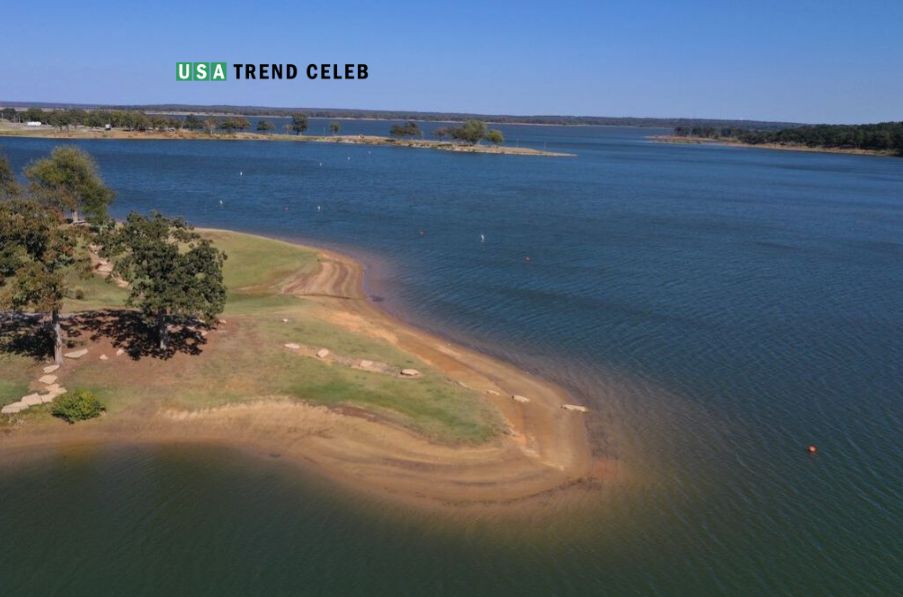
One of the most common mistakes writers make is capitalizing only part of the name. For example, writing “Lake texoma” or “Lake Texoma Should Be Capitalized” is still incorrect.
Both words are part of the proper noun, so both must be capitalized together. Treat it as one unit, not two separate ideas.
Another frequent mistake is inconsistent usage within the same article. A writer might capitalize Lake Texoma Should Be Capitalized in the introduction but switch to lowercase later on. This inconsistency weakens the professionalism of the content.
Consistency is just as important as correctness. Once you commit to proper capitalization, stick with it throughout the entire piece.
How Journalists and Travel Writers Handle Lake Texoma
Journalists and travel writers rely heavily on credibility. Their readers expect accurate facts and polished writing. Because of this, professional publications always capitalize Lake Texoma Should Be Capitalized correctly.
Travel guides, tourism websites, and regional news outlets consistently treat Lake Texoma Should Be Capitalized as a proper noun. This helps reinforce its identity as a destination and landmark.
If you’re writing travel content, capitalization also helps visually highlight important locations. Readers scanning an article are more likely to notice capitalized place names, which improves readability and engagement.
Capitalization in Social Media and Casual Writing
Social media tends to be more relaxed, but even there, proper capitalization can elevate your posts. Writing “Lake Texoma” instead of “Lake Texoma Should Be Capitalized” makes your caption look more intentional and polished.
While lowercase may be acceptable in personal chats or informal comments, using proper capitalization never hurts. In fact, it often makes your message clearer and more professional, even in casual settings.
If you’re managing a brand account, tourism page, or informational profile, capitalization should always follow standard grammar rules.
Comparing Lake Texoma to Other Capitalized Locations
To fully understand why Lake Texoma Should Be Capitalized should be capitalized, it helps to compare it with similar place names.
Examples include Lake Tahoe, Lake Michigan, and Lake Superior. In all of these cases, both the descriptor and the unique name are capitalized.
The pattern is consistent across English writing. Lake Texoma Should Be Capitalized fits perfectly into this category, so there’s no special exception or gray area to worry about.
Once you recognize this pattern, capitalization becomes automatic.
Final Verdict: Should Lake Texoma Be Capitalized?
Yes—Lake Texoma should be capitalized in standard English writing. It is a proper noun, a named geographic location, and a recognized landmark.
Capitalizing it shows grammatical accuracy, professionalism, and attention to detail. Whether you’re writing for school, work, SEO, or personal projects, correct capitalization improves the quality of your content.
When in doubt, remember this simple rule: if it’s a specific place with an official name, capitalize it.
Related Topics: Kayla Quick Age: Everything You Need to Know About Her Life, Background, and Public Curiosity
(FAQs) About Lake Texoma Should Be Capitalized
1. Should “Lake Texoma” always be capitalized?
Yes, when referring to the specific lake, both “Lake” and “Texoma” should always be capitalized because it is a proper noun.
2. Is it ever correct to write “lake texoma” in lowercase?
Only in very informal or stylistic writing. In standard, academic, professional, and SEO content, lowercase usage is considered incorrect.
3. Why is “Lake” capitalized in Lake Texoma?
Because “Lake” is part of the official name, not just a generic descriptor. This makes it part of the proper noun.
4. Does capitalization affect SEO rankings?
Search engines aren’t case-sensitive, but proper capitalization improves readability, trust, and user experience, which indirectly supports SEO performance.
5. Are all lakes capitalized the same way?
Named lakes like Lake Texoma, Lake Tahoe, and Lake Michigan are capitalized. Generic mentions like “the lake near my house” are not.
Related Topics:
