


Starting a company without outside funding sounds intimidating, especially in a world obsessed with venture capital and billion-dollar valuations. Yet thousands of successful companies prove that a smart startup booted fundraising strategy can be just as powerful—sometimes even more sustainable—than traditional fundraising. Bootstrapping isn’t about being cheap; it’s about being strategic, disciplined, and deeply connected to your customers.
This article breaks down how founders can grow, scale, and even dominate markets using a booted fundraising strategy. From mindset shifts to revenue tactics, financial discipline, and long-term scalability, we’ll explore what it truly means to build a Startup Booted Fundraising Strategy on your own terms.
Understanding the Concept of a Startup Booted Fundraising Strategy
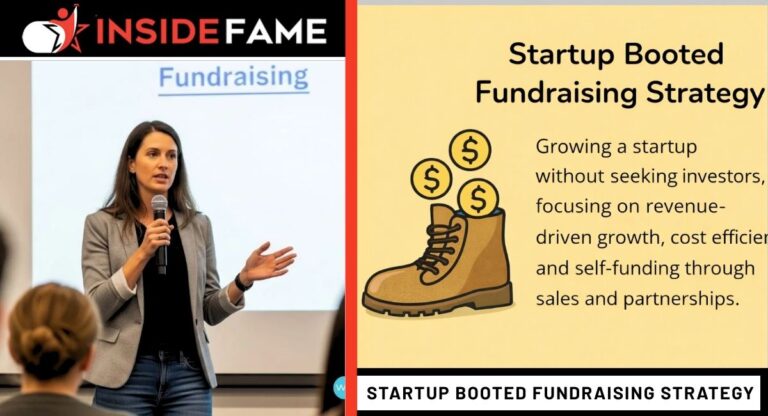
A startup booted fundraising strategy refers to building and growing a company using personal savings, early revenue, or internal cash flow instead of relying on external investors. Unlike venture-backed startups that raise capital upfront, booted Startup Booted Fundraising Strategy focus on earning before expanding. This approach demands patience, creativity, and sharp financial judgment.
The biggest advantage of a booted fundraising strategy is control. Founders retain full ownership and decision-making power. There’s no pressure from investors demanding hyper-growth or quick exits. Instead, growth happens at a pace dictated by real customer demand and sustainable economics. This autonomy often leads to healthier businesses with clearer missions.
Another key element is efficiency. When money is limited, every dollar must work harder. Booted Startup Booted Fundraising Strategy are forced to validate ideas quickly, eliminate waste, and prioritize what truly matters. This mindset creates strong fundamentals that often outperform heavily funded competitors in the long run.
Why Founders Choose a Booted Fundraising Strategy Over Traditional Funding
Many founders intentionally avoid venture capital because it comes with strings attached. External funding often shifts a Startup Booted Fundraising Strategy focus from customers to investors. Growth metrics, valuation pressure, and exit timelines can distract founders from building a genuinely valuable product.
A startup booted fundraising strategy allows founders to grow organically while staying deeply aligned with their original vision. Decisions are made based on long-term sustainability rather than short-term investor expectations. This creates room for thoughtful experimentation and customer-driven innovation.
Additionally, bootstrapping reduces risk exposure. While raising millions might sound impressive, it also increases burn rate and dependency on future funding rounds. Booted Startup Booted Fundraising Strategy, on the other hand, learn to survive—and thrive—under constraints, making them more resilient during economic downturns or market shifts.
Building the Right Mindset for Bootstrapped Success
Mindset plays a massive role in the success of any startup booted fundraising strategy. Founders must shift from a “raise money first” mentality to a “prove value first” approach. This means focusing on real problems, real customers, and real revenue from day one.
Patience is essential. Bootstrapped growth is often slower in the beginning, but it’s more stable. Founders need to embrace delayed gratification and resist comparing themselves to VC-funded Startup Booted Fundraising Strategy that appear to be moving faster. What looks like speed upfront can later turn into chaos.
Another critical mindset shift is viewing constraints as advantages. Limited resources force creativity. They push founders to negotiate better deals, automate early, and build lean teams. Over time, this discipline becomes a competitive edge that funded Startup Booted Fundraising Strategy often lack.
Validating the Business Idea Without External Capital
Validation is the backbone of any startup booted fundraising strategy. Since there’s no safety net of investor money, founders must ensure their idea solves a real, urgent problem before scaling. This starts with customer conversations, not product development.
Instead of building a perfect product, booted founders launch minimum viable solutions. These early versions help test assumptions quickly while generating early revenue. Even small payments from customers provide powerful validation that the market is willing to pay.
Customer feedback becomes the most valuable currency. Bootstrapped Startup Booted Fundraising Strategy listen closely, iterate fast, and improve continuously. This tight feedback loop reduces wasted effort and ensures the business evolves in direct response to market needs rather than investor opinions.
Revenue-First Growth: The Core of a Booted Fundraising Strategy
Revenue is fuel in a booted Startup Booted Fundraising Strategy. Unlike funded companies that burn cash to acquire users, booted startups design their growth around early monetization. This doesn’t mean overcharging—it means delivering clear value worth paying for.
Many bootstrapped founders adopt service-based or hybrid models early on. Consulting, freelancing, or done-for-you services generate immediate cash while helping founders deeply understand customer pain points. Over time, these insights inform scalable product offerings.
Recurring revenue models are especially powerful. Subscriptions, retainers, and long-term contracts create predictable cash flow, making planning easier. This steady income allows booted Startup Booted Fundraising Strategy to reinvest profits into growth without sacrificing ownership or stability.
Managing Cash Flow Like a Pro Bootstrapped Founder
Cash flow management is the lifeline of any Startup Booted Fundraising Strategy. Without investors to bail you out, mismanaging cash can end the business overnight. Successful bootstrapped founders track every expense and plan several months ahead.
Keeping fixed costs low is a common tactic. Instead of hiring large teams, founders rely on automation, freelancers, and lean operations. Tools are chosen carefully, and unnecessary subscriptions are eliminated. Every cost must justify its return.
Bootstrapped Startup Booted Fundraising Strategy also prioritize faster payment cycles. Annual prepayments, upfront deposits, and milestone-based billing improve liquidity. Strong cash flow provides flexibility, reduces stress, and allows founders to make strategic decisions from a position of strength.
Smart Team Building Without Heavy Payrolls
Hiring is one of the biggest challenges in a startup booted fundraising strategy. With limited funds, founders must be selective and strategic. Early teams are usually small, multi-skilled, and deeply invested in the mission.
Instead of full-time hires, many booted Startup Booted Fundraising Strategy work with contractors or part-time specialists. This keeps payroll flexible while providing access to high-quality talent. As revenue grows, the team can gradually transition to permanent roles.
Culture matters even more in bootstrapped environments. When resources are tight, alignment and ownership make a huge difference. Team members who understand the constraints and believe in the vision often outperform larger, better-funded teams.
Marketing Growth on a Bootstrapped Budget
Marketing without big budgets forces creativity, which is a hallmark of successful startup booted fundraising strategies. Instead of paid ads, founders lean heavily on content marketing, partnerships, and community building.
Organic channels like SEO, email newsletters, podcasts, and social media become powerful growth engines over time. These strategies require consistency rather than cash, making them ideal for bootstrapped Startup Booted Fundraising Strategy. The payoff compounds as the audience grows.
Word-of-mouth is another critical driver. Exceptional customer experiences naturally turn users into advocates. Bootstrapped Startup Booted Fundraising Strategy often outperform funded competitors here because they stay closer to customers and deliver more personalized value.
Scaling a Bootstrapped Startup Without Losing Control
Scaling doesn’t mean reckless expansion. In a startup booted fundraising strategy, scaling is intentional and data-driven. Founders wait until systems are stable and demand is proven before increasing spend or headcount.
Process automation becomes essential at this stage. Tools for customer support, billing, analytics, and operations free up time and reduce errors. This allows founders to focus on strategy rather than daily firefighting.
Most importantly, bootstrapped scaling protects independence. Even if external funding becomes an option later, founders negotiate from a position of strength. They can choose partnerships or investments that align with their values instead of accepting desperate terms.
Long-Term Benefits of a Startup Booted Fundraising Strategy
The long-term rewards of bootstrapping go beyond financials. Founders build confidence, discipline, and resilience that stay with them for life. They learn how to build real businesses, not just pitch decks.
Bootstrapped Startup Booted Fundraising Strategy often achieve profitability earlier and maintain healthier margins. This creates freedom—freedom to reinvest, to pivot, or even to step back without external pressure. Success is defined on the founder’s terms.
Perhaps the greatest benefit is sustainability. Companies built on strong fundamentals tend to last longer and adapt better to change. A startup booted fundraising strategy isn’t just a way to start—it’s a philosophy for building enduring value.
Final Thoughts
A startup booted fundraising strategy is not just a financial decision—it’s a mindset that shapes how a business is built from the ground up. By focusing on revenue, customer value, and disciplined growth, founders create companies that are resilient, adaptable, and deeply rooted in real market needs. While bootstrapping may require more patience and personal effort in the early stages, it often leads to stronger foundations and clearer long-term direction.
In a world where rapid funding rounds often steal the spotlight, bootstrapped Startup Booted Fundraising Strategy quietly prove that sustainable success doesn’t always need outside capital. The freedom to make independent decisions, the ability to grow at a natural pace, and the confidence gained from building something profitable on your own terms are powerful advantages that cannot be overstated.
Ultimately, the right path depends on the founder’s vision and goals. However, for entrepreneurs who value control, efficiency, and long-term stability, a startup booted fundraising strategy remains one of the smartest and most rewarding ways to turn an idea into a lasting business.
Related Topics: Livvy Dunne Sister: Everything You Need to Know About Julz Dunne and Their Close-Knit Bond
(FAQs) About Startup Booted Fundraising Strategy
1. What is a startup booted fundraising strategy in simple terms?
A startup booted fundraising strategy means growing a business using personal funds and revenue instead of raising money from investors. The focus is on earning early, controlling costs, and scaling sustainably.
2. Is bootstrapping better than venture capital for startups?
It depends on the goals. Bootstrapping offers control, independence, and sustainability, while venture capital can accelerate growth but adds pressure and dilution. Many founders prefer bootstrapping for long-term stability.
3. Can a bootstrapped startup scale successfully?
Yes, many bootstrapped startups scale into multi-million-dollar businesses. The key is disciplined growth, strong cash flow, and customer-driven decision-making.
4. What are the biggest challenges of a booted fundraising strategy?
Limited cash, slower initial growth, and higher personal risk are common challenges. However, these are often balanced by stronger fundamentals and long-term rewards.
5. When should a bootstrapped startup consider external funding?
A bootstrapped startup might consider funding when growth opportunities are proven, systems are stable, and capital can significantly accelerate expansion without compromising control or vision.
Related Topics:
