


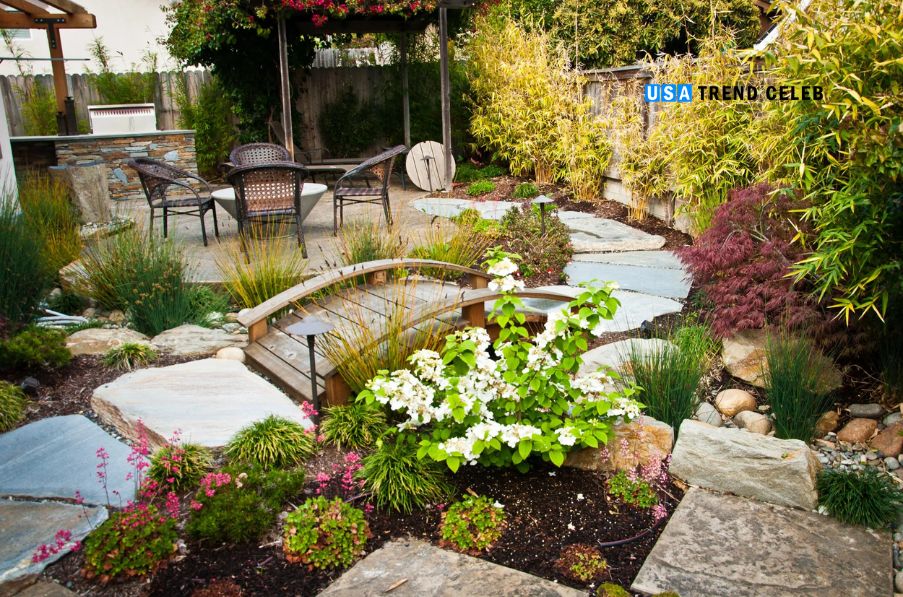
In recent years, the word zuhagarten has started gaining attention among gardening enthusiasts, lifestyle bloggers, and people searching for a more peaceful and intentional way to design their outdoor spaces. While it may sound unfamiliar at first, zuhag arten represents much more than just a garden—it reflects a mindset, an aesthetic, and a way of connecting nature with everyday living.
Zuhag arten is not limited to one strict definition. Instead, it blends ideas of mindful gardening, aesthetic harmony, and functional outdoor design. Whether you live in a house with a backyard, a rooftop apartment, or a small balcony, the zuhagarten concept can be adapted to suit your lifestyle and space.
In this detailed guide, we’ll explore what zuhag arten truly means, its philosophy, design principles, benefits, and how you can create your own zuhag arten-inspired space. By the end of this article, you’ll understand why zuhag arten is becoming a popular topic among modern garden lovers.
What Is Zuhagarten? Understanding the Core Concept
Zuhagarten is best described as a holistic approach to gardening that combines nature, balance, and personal well-being. Rather than focusing only on plants or decoration, it emphasizes how a garden makes you feel and how it integrates with your daily routine. The term suggests a space that feels intentional, calm, and naturally inviting.
Unlike traditional gardens that may prioritize appearance alone, zuhag arten values functionality and emotional connection. Every element—plants, seating, pathways, and even empty space—serves a purpose. This creates a garden that feels alive, rather than overly designed or cluttered.
Another important aspect of zuhag arten is flexibility. It does not demand expensive materials or professional landscaping. Instead, it encourages creativity and personalization. Whether your style is minimalist, rustic, or modern, the zuhag arten philosophy can adapt to reflect your personality.
The Philosophy Behind Zuhagarten Living
At its heart, zuhagarten is deeply connected to slow living and mindfulness. It encourages people to slow down, spend time outdoors, and reconnect with natural rhythms. In a world dominated by screens and noise, zuhag arten offers a quiet escape.
This philosophy believes that a garden should not be rushed. Plants are allowed to grow naturally, imperfections are accepted, and seasonal changes are embraced. Zuhag arten spaces evolve over time, just like the people who care for them.
Another philosophical element of zuhagarten is sustainability. Many people who adopt this concept prefer eco-friendly practices such as composting, water conservation, and native planting. The idea is to work with nature instead of against it, creating a space that benefits both humans and the environment.
Key Design Principles of a Zuhagarten Space
Designing a zuhagarten does not mean following strict rules, but there are a few guiding principles that help define the style. The first is balance. A zuhag arten avoids overcrowding and instead focuses on open areas mixed with greenery, allowing the space to breathe.
The second principle is natural flow. Pathways, plant placement, and seating should feel organic rather than rigid. Curved lines, uneven textures, and natural materials such as wood and stone are commonly used to enhance this feeling.
Finally, zuhagarten design values comfort and usability. A garden should invite you to sit, relax, and enjoy the space. Whether it’s a simple bench, a hammock, or floor cushions, comfort is just as important as visual appeal in a true zuhag arten setup.
Plants Commonly Used in Zuhagarten Design
Plant selection plays a major role in shaping a zuhagarten. However, instead of focusing on exotic or high-maintenance plants, this style prefers resilient and low-maintenance greenery. Native plants are often favored because they thrive naturally in local conditions.
Perennials, ornamental grasses, herbs, and flowering shrubs are popular choices. These plants provide texture, scent, and seasonal interest without demanding constant attention. In many zuhag arten spaces, edible plants such as basil, mint, tomatoes, or rosemary are included to blend beauty with practicality.
Another important consideration is diversity. A healthy zuhag arten includes a mix of heights, colors, and plant types. This not only enhances visual interest but also supports local wildlife like bees, butterflies, and birds, further strengthening the garden’s connection to nature.
Zuhagarten and Modern Lifestyle Trends
Zuhagarten fits perfectly into modern lifestyle trends that prioritize mental health, wellness, and sustainability. As more people work from home, gardens are no longer just decorative spaces—they are extensions of living areas.
Many individuals now use their zuhagarten as a place for morning coffee, meditation, yoga, or even remote work. The calming atmosphere helps reduce stress and improve focus, making it a valuable part of daily life rather than an occasional luxury.
Social media has also contributed to the rise of zuhag arten. People love sharing peaceful garden corners, cozy outdoor setups, and before-and-after transformations. However, true zuhag arten living goes beyond aesthetics—it’s about how the space supports a balanced and intentional lifestyle.
How to Create Your Own Zuhagarten at Home
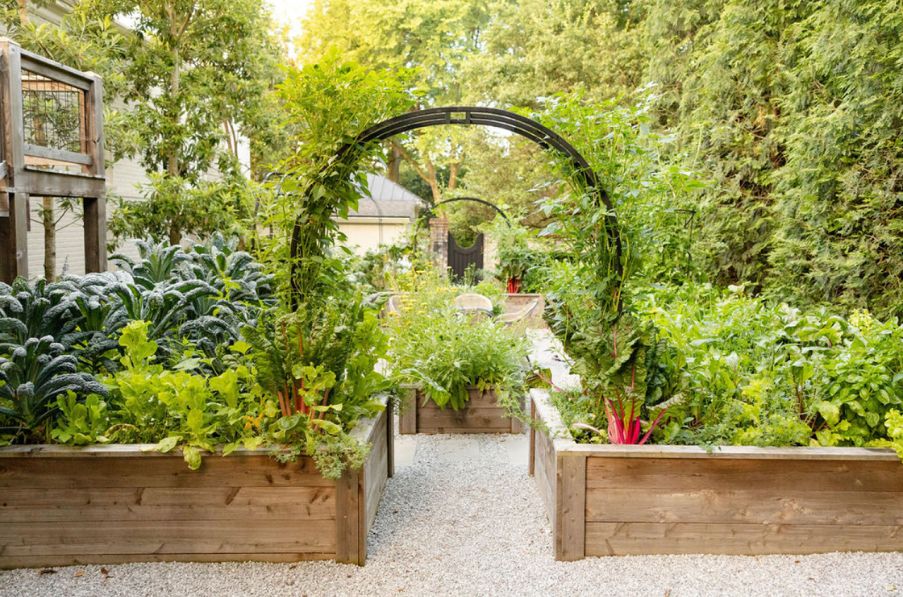
Creating a zuhagarten does not require a large budget or professional help. The first step is to observe your space. Notice how sunlight moves, where you naturally like to sit, and which areas feel underused. This helps you design a garden that works with your habits.
Next, start small. Instead of redesigning everything at once, focus on one corner or section. Add plants gradually, choose natural materials, and avoid overcrowding. Zuhag arten spaces grow over time, and patience is part of the process.
Finally, personalize your garden. Add elements that bring you joy—wind chimes, handmade planters, candles, or even a small water feature. A true zuhag arten reflects the personality and lifestyle of its owner, making it a deeply personal and meaningful space.
The Emotional and Health Benefits of Zuhagarten
Spending time in a zuhagarten offers significant emotional and mental health benefits. Studies consistently show that time spent in green spaces can reduce stress, improve mood, and enhance overall well-being.
A zuhag arten encourages mindful activities such as gardening, reading, or simply sitting quietly. These moments of stillness can help lower anxiety levels and create a sense of inner balance, especially in fast-paced urban environments.
Physical health benefits also play a role. Light gardening activities improve mobility, increase exposure to fresh air, and promote gentle exercise. Over time, a zuhag arten becomes not just a beautiful space, but a supportive environment for both mental and physical health.
Zuhagarten as a Long-Term Lifestyle Choice
Unlike trendy design styles that fade quickly, zuhagarten represents a long-term lifestyle choice. It evolves with changing seasons, personal growth, and shifting priorities. This adaptability makes it especially appealing to people looking for sustainable and meaningful living.
As life changes—whether through family growth, relocation, or aging—a zuhag arten can adapt without losing its essence. Plants can be rearranged, furniture replaced, and layouts adjusted while maintaining the core philosophy of balance and calm.
Ultimately, zuhagarten is not about perfection. It’s about presence, connection, and creating a space that feels like a natural extension of who you are. That’s what makes it timeless and deeply fulfilling.
Final Thoughts on Zuhagarten
Zuhagarten is more than just a gardening style—it is a thoughtful way of designing a space that supports peace, balance, and everyday happiness. In a time when life feels fast and overwhelming, the idea of creating a calm, intentional outdoor area feels more relevant than ever. Zuhag arten reminds us that a garden doesn’t need to be perfect or expensive to be meaningful; it simply needs to feel right.
What makes zuhag arten truly special is its flexibility. Whether you have a large backyard or a small balcony, the principles of simplicity, natural flow, and mindful design can be applied anywhere. By focusing on comfort, sustainability, and personal connection, zuhag arten becomes a space that grows with you and reflects your lifestyle over time.
In the end, embracing zuhagarten is about slowing down and reconnecting—with nature and with yourself. It’s not just about how your garden looks, but how it makes you feel every time you step into it. And that feeling of calm, balance, and quiet joy is what makes zuhag arten a lasting and fulfilling choice.
Must Read The Article: Who Is Alan Ritchson Wife? Everything You Need to Know About His Marriage
(FAQs) About Zuhagarten
1. What does zuhagarten mean?
Zuhagarten refers to a mindful and balanced approach to garden design that focuses on harmony, functionality, and emotional well-being rather than just visual beauty.
2. Is zuhagarten suitable for small spaces?
Yes, zuhagarten can be adapted to balconies, rooftops, patios, and even indoor plant corners. The concept focuses more on feeling than size.
3. Do I need expensive materials to create a zuhagarten?
Not at all. Zuhagarten encourages simplicity and natural materials. Many people use recycled items, basic plants, and DIY elements.
4. What plants work best in a zuhagarten?
Low-maintenance plants, native species, herbs, ornamental grasses, and perennials are commonly used in zuhagarten designs.
5. Is zuhagarten a trend or a lifestyle?
Zuhagarten is best described as a lifestyle choice. While it’s growing in popularity, its principles are timeless and adaptable.
Related Topics:
